



A Car Jack Rubber Support Block is an important accessory used together with hydraulic jacks, floor jacks, and other vehicle lifting tools. Although it is relatively small, this component plays a significant role in protecting vehicle structures and ensuring safe lifting operations.
Professional Car Jack Rubber Support Block manufacturers design these pads to distribute lifting pressure evenly while preventing direct metal-to-metal contact between the jack and the vehicle frame. Because of this protective function, rubber support blocks are widely used in automotive workshops, garages, maintenance facilities, and industrial service environments.
In modern automotive maintenance, a reliable Car Jack Rubber Support Block is considered a basic safety component that helps reduce the risk of damage during lifting procedures.
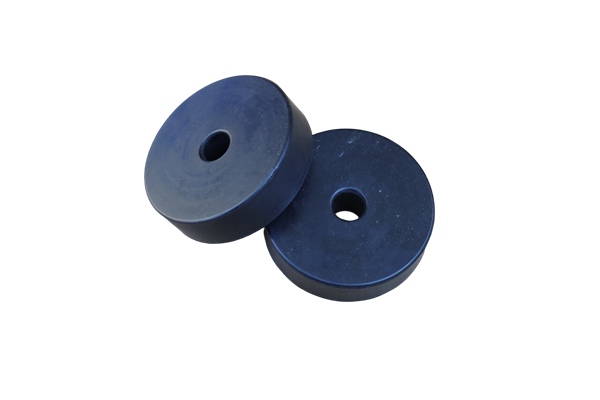
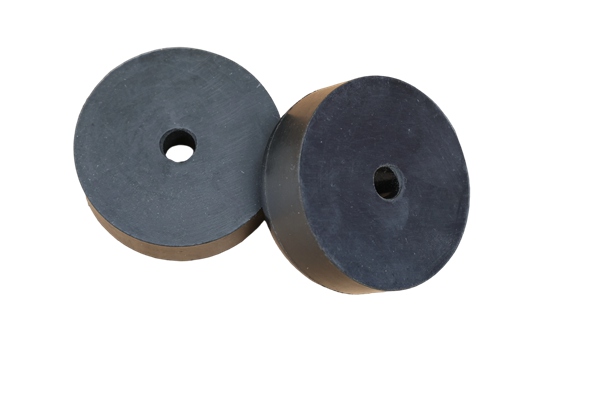
The Purpose of a Car Jack Rubber Support Block
When a vehicle is lifted using a jack, the lifting head typically makes direct contact with the car’s lifting points. Without a protective layer, this contact can potentially damage the vehicle’s chassis or pinch welds.
A Car Jack Rubber Support Block acts as a protective cushion between the jack and the vehicle. Its primary functions include:
·Protecting the vehicle frame or lifting points
·Preventing metal surface scratches or deformation
·Increasing friction and reducing slipping risk
·Distributing pressure more evenly during lifting
Because vehicles often have designated lifting points that must be supported carefully, the use of a rubber support block greatly improves the safety and reliability of lifting operations.
Manufacturers specializing in Car Jack Rubber Support Block production design these components to withstand repeated pressure and maintain structural stability under heavy loads.
Materials Used in Car Jack Rubber Support Block Manufacturing
The durability of a Car Jack Rubber Support Block largely depends on the materials used during manufacturing. Most manufacturers use high-strength industrial rubber compounds designed to handle significant compression forces.
Common rubber materials include:
·Natural rubber (NR)
·Nitrile rubber (NBR)
·Styrene-butadiene rubber (SBR)
·Heavy-duty synthetic rubber blends
Natural rubber is often valued for its flexibility and resilience, while nitrile rubber provides better resistance to oils and automotive fluids. Depending on the application, Car Jack Rubber Support Block manufacturers may adjust the material formulation to achieve the desired balance between hardness and elasticity.
A properly engineered rubber compound allows the support block to absorb pressure while maintaining its shape over long-term use.
Structural Design of a Car Jack Rubber Support Block
Although the product appears simple, the design of a Car Jack Rubber Support Block often includes several functional features.
Typical design elements include:
·Grooves or slots for vehicle pinch weld support
·Flat surfaces for stable load distribution
·Anti-slip textures for improved grip
·Reinforced structural thickness
These design features allow the support block to securely position itself between the jack head and the vehicle frame. In many cases, different vehicles require slightly different block designs.
As a result, manufacturers involved in Car Jack Rubber Support Block production frequently offer multiple shapes, sizes, and hardness levels to accommodate various lifting tools and vehicle types.
How Car Jack Rubber Support Blocks Are Manufactured
The production of a Car Jack Rubber Support Block follows several key steps in industrial rubber manufacturing.
1. Rubber Compounding
The manufacturing process begins with preparing the rubber compound. Raw rubber materials are combined with additives such as carbon black, vulcanizing agents, and stabilizers. These additives enhance strength, durability, and resistance to environmental conditions.
2. Molding
Once the compound is prepared, the rubber is placed into precision molds that form the final block shape. Compression molding is commonly used because it produces consistent structural strength.
3. Vulcanization
During vulcanization, heat and pressure trigger chemical reactions within the rubber, creating cross-linked molecular structures. This process significantly improves durability and elasticity.
4. Finishing and Inspection
After curing, the molded support blocks are removed from the molds and trimmed to remove excess rubber. Each piece is inspected to ensure it meets dimensional and performance requirements.
Through controlled Car Jack Rubber Support Block production, manufacturers are able to supply reliable components suitable for heavy-duty automotive applications.
Applications of Car Jack Rubber Support Blocks
Car Jack Rubber Support Blocks are widely used in various automotive and mechanical environments.
Common applications include:
·Automotive repair workshops
·Vehicle maintenance garages
·Tire replacement operations
·Industrial service facilities
·Professional lifting equipment systems
Because lifting operations involve high loads and safety risks, many technicians rely on rubber support blocks as an additional protective measure.
For automotive professionals and equipment distributors, sourcing from a reliable Car Jack Rubber Support Block manufacturer capable of stable production helps ensure consistent product quality and availability.
Advantages of Using a Car Jack Rubber Support Block
Using a Car Jack Rubber Support Block offers several practical advantages in vehicle maintenance operations.
Key benefits include:
·Improved lifting safety
·Protection of vehicle structural components
·Reduced risk of slipping or misalignment
·Longer service life for lifting equipment
By absorbing part of the pressure during lifting, rubber support blocks help reduce mechanical stress on both the vehicle and the jack itself.
Because of these advantages, many automotive professionals consider the Car Jack Rubber Support Block an essential accessory for modern vehicle maintenance tools.
Conclusion
A Car Jack Rubber Support Block may appear to be a simple rubber component, but it plays an important role in safe and effective vehicle lifting. Designed to protect vehicle structures and stabilize lifting equipment, this accessory is widely used in professional automotive environments.
Through careful material selection, precision molding, and controlled vulcanization processes, experienced Car Jack Rubber Support Block manufacturers are able to produce durable components that meet the demands of automotive workshops and equipment distributors.
With reliable production capacity and quality control systems, manufacturers supplying Car Jack Rubber Support Blocks in bulk quantities help support the global automotive maintenance industry with consistent and dependable lifting accessories.
References
GB/T 7714:Callister W D, Rethwisch D G. Materials science and engineering: an introduction[EB/OL].(1999)
MLA:Callister, William D., and David G. Rethwisch. "Materials science and engineering: an introduction." 1999,
APA:Callister, W. D., & Rethwisch, D. G. (1999). Materials science and engineering: an introduction.