



When it comes to lifting vehicles safely, the jack rubber pad plays a critical role in protecting both the car’s frame and the lifting equipment. Whether you’re a workshop owner, distributor, or sourcing specialist, understanding the rubber materials used in jack pads can help you choose better products and ensure long-term performance. As a professional jack rubber pad manufacturer with large-scale production capabilities, selecting the right materials is essential for both quality and consistency.
This guide explains the most commonly used rubber materials, their characteristics, and how they impact durability and safety.
.jpg)
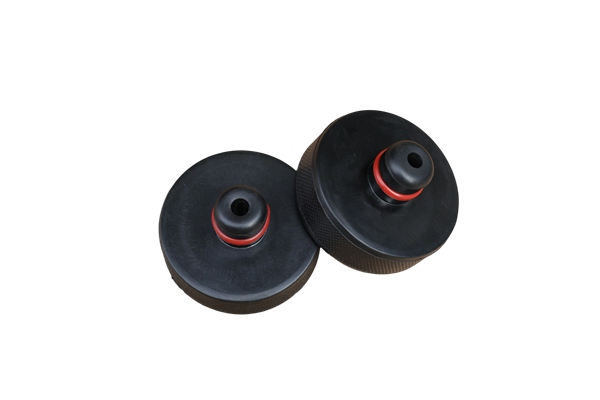
Why Rubber Material Matters in Jack Pads
Jack pads are subjected to intense pressure, friction, and environmental exposure. Inferior materials can lead to cracking, deformation, or even failure during lifting operations. That’s why experienced manufacturers focus on:
·Load-bearing strength
·Abrasion resistance
·Anti-slip performance
·Weather and chemical resistance
The right rubber compound ensures the jack pad maintains its shape and grip even after repeated use.
Common Rubber Materials Used in Jack Rubber Pads
1. Natural Rubber (NR)
Natural rubber is one of the most widely used materials due to its excellent elasticity and resilience.
Advantages:
·High flexibility and shock absorption
·Strong grip on metal surfaces
·Cost-effective for bulk production
Limitations:
·Less resistant to oil and chemicals
·Can degrade under extreme weather conditions
Natural rubber is often used in standard jack pads where affordability and flexibility are key priorities.
2. Nitrile Rubber (NBR)
Nitrile rubber is a popular choice in automotive environments due to its resistance to oils and fuels.
Advantages:
·Excellent oil and fuel resistance
·Good abrasion resistance
·Suitable for workshop and garage use
Limitations:
·Slightly less flexible than natural rubber
·Higher material cost
For professional-grade jack rubber pad production, NBR is frequently chosen when exposure to automotive fluids is expected.
3. EPDM Rubber
EPDM (Ethylene Propylene Diene Monomer) is known for its superior weather resistance.
Advantages:
·Outstanding resistance to UV, ozone, and weather
·Performs well in extreme temperatures
·Long service life
Limitations:
·Not ideal for oil-heavy environments
EPDM is ideal for outdoor or long-term storage conditions, making it a preferred option for certain export markets.
4. Polyurethane (PU)
Although technically not rubber, polyurethane is often used as an alternative material in high-performance jack pads.
Advantages:
·Extremely durable and wear-resistant
·High load-bearing capacity
·Long lifespan
Limitations:
·Less flexible than traditional rubber
·Higher production cost
PU is commonly used in heavy-duty applications where durability outweighs flexibility.
Key Factors Manufacturers Consider
A reliable jack rubber pad manufacturer doesn’t just choose materials randomly. Several factors influence material selection:
Load Capacity Requirements
Different vehicles require different support strengths. Heavy-duty trucks need stronger compounds compared to standard passenger vehicles.
Mold Design and Precision
Material behavior during molding affects the final product. High-quality production ensures:
·Uniform density
·Accurate dimensions
·Consistent hardness
Bulk Production Consistency
For large-scale orders, consistency is critical. Professional factories maintain strict quality control systems to ensure every batch meets the same standards.
How Material Affects Performance
The performance of a jack pad is directly tied to the rubber compound used. Here’s how:
·Grip: Softer compounds provide better friction but may wear faster
·Durability: Harder compounds last longer but may reduce surface grip
·Shock Absorption: Elastic materials reduce stress on the vehicle frame
Balancing these factors is essential in manufacturing a reliable jack rubber pad for bulk supply.
Choosing the Right Jack Rubber Pad
If you're sourcing jack pads, consider the following:
·Application environment: Indoor workshop vs outdoor use
·Exposure to oil or chemicals
·Frequency of use
·Vehicle types supported
Working with an experienced manufacturer with proven production capacity ensures you get the right material for your specific needs.
Trends in Jack Rubber Pad Materials
Modern manufacturing is evolving with new material blends and technologies:
·Hybrid rubber compounds for enhanced durability
·Eco-friendly materials with reduced environmental impact
·Improved anti-slip surface designs
These innovations are helping manufacturers deliver better-performing products while maintaining cost efficiency in mass production.
Conclusion
Understanding the different rubber materials used in jack pads is essential for making informed purchasing decisions. From natural rubber to advanced polyurethane, each material offers unique benefits depending on the application.
As a dedicated jack rubber pad manufacturer with scalable production and bulk supply capability, material selection remains at the core of delivering reliable, safe, and durable products. Whether for automotive repair shops or global distributors, choosing the right jack rubber pad ensures both performance and long-term value.
References
GB/T 7714:Mark J E, Erman B. Rubberlike elasticity: a molecular primer[M]. Cambridge University Press, 2007.
MLA:Mark, James E., and Burak Erman. Rubberlike elasticity: a molecular primer. Cambridge University Press, 2007.
APA:Mark, J. E., & Erman, B. (2007). Rubberlike elasticity: a molecular primer. Cambridge University Press.