



For distributors in the automotive and industrial supply chain, selecting the right Jack Rubber Pad is essential for meeting market demand and maintaining customer satisfaction. Although it may seem like a simple product, a Jack Rubber Pad must meet strict requirements in terms of durability, load capacity, and consistency.
Working with a reliable Jack Rubber Pad manufacturer with stable production capability ensures that distributors can access high-quality products in bulk while maintaining competitive pricing. This guide explains the key factors distributors should consider when sourcing Jack Rubber Pads for resale.
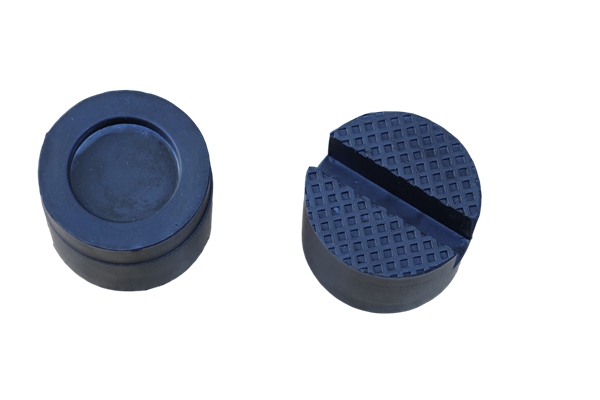
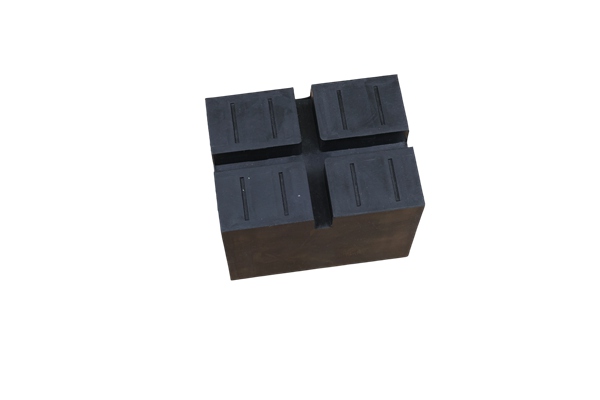
Understanding the Role of a Jack Rubber Pad
Before selecting a supplier, it is important to understand the function of a Jack Rubber Pad. This component is used with hydraulic jacks and lifting equipment to protect vehicle frames and improve lifting stability.
A high-quality Jack Rubber Pad should:
·Prevent damage to vehicle lifting points
·Provide anti-slip support
·Distribute pressure evenly
·Maintain shape under heavy loads
Distributors should prioritize products that are designed for professional use in workshops and industrial environments.
Choosing the Right Material
Material selection is one of the most important factors when sourcing Jack Rubber Pads. The type of rubber used directly affects performance and durability.
Common materials include:
·Natural rubber (NR) for flexibility
·Nitrile rubber (NBR) for oil resistance
·Styrene-butadiene rubber (SBR) for cost efficiency
A reliable Jack Rubber Pad manufacturer will often offer different material options depending on the target market. For example, pads used in automotive repair shops may require higher resistance to oils and chemicals.
Distributors should also consider hardness levels (Shore A), as this affects both load-bearing performance and product lifespan.
Evaluating Load Capacity and Durability
Distributors must ensure that the Jack Rubber Pads they source can handle the required load capacity. This is particularly important for products used with heavy-duty lifting equipment.
Key performance indicators include:
·Compression resistance
·Tensile strength
·Wear resistance
·Long-term durability under repeated use
Products that fail under pressure can lead to safety risks and customer complaints. Therefore, it is essential to work with manufacturers that conduct proper testing during Jack Rubber Pad production.
Design and Compatibility Considerations
Jack Rubber Pads come in various shapes and sizes to match different types of jacks and vehicles. Distributors should select designs that are compatible with their target markets.
Common design features include:
·Slotted pads for pinch weld support
·Flat pads for general lifting
·Anti-slip surface textures
·Reinforced structures for heavy-duty use
Offering a range of designs can help distributors meet diverse customer needs and increase market competitiveness.
Importance of Manufacturing Quality
Not all Jack Rubber Pads on the market are produced to the same standard. Manufacturing quality plays a critical role in product performance and consistency.
A professional Jack Rubber Pad manufacturer with advanced production systems typically ensures:
·Consistent material formulation
·Precision molding
·Controlled vulcanization
·Strict quality inspection
Distributors should verify whether the supplier follows standardized production processes and quality control procedures. This is especially important for bulk orders where consistency is critical.
Customization and OEM Capabilities
Many distributors benefit from working with manufacturers that offer customization options. OEM (Original Equipment Manufacturer) services allow distributors to differentiate their products in the market.
Customization options may include:
·Custom sizes and shapes
·Logo branding
·Packaging design
·Specific hardness or material requirements
Partnering with a Jack Rubber Pad manufacturer experienced in OEM production can help distributors build a unique product line and strengthen their brand presence.
Pricing and Bulk Supply Considerations
Price is always an important factor, but it should not be the only consideration. Extremely low-cost products may compromise quality and lead to long-term issues.
Distributors should evaluate:
·Unit price in relation to quality
·Minimum order quantity (MOQ)
·Bulk pricing discounts
·Shipping and logistics costs
Working with a Jack Rubber Pad manufacturer capable of large-scale production and bulk supply ensures stable inventory and consistent delivery timelines.
Packaging and Logistics
Proper packaging is essential for protecting products during transportation and storage.
Typical packaging options include:
·Plastic bags for individual units
·Cartons for bulk shipments
·Palletized packaging for export
Distributors should confirm that the supplier provides suitable packaging solutions to prevent damage during shipping.
Supplier Reliability and Long-Term Cooperation
Choosing the right supplier is not just about a single order—it is about building a long-term partnership.
A reliable Jack Rubber Pad manufacturer should offer:
·Stable production capacity
·Consistent product quality
·Clear communication
·Flexible order handling
Long-term cooperation helps distributors maintain supply stability and respond quickly to market demand.
Conclusion
Selecting the right Jack Rubber Pad requires careful evaluation of materials, design, manufacturing quality, and supplier reliability. For distributors, working with a trusted Jack Rubber Pad manufacturer with strong production capability and bulk supply experience is key to ensuring consistent product quality and market competitiveness.
By focusing on performance, durability, and supplier capability, distributors can confidently source Jack Rubber Pads that meet the needs of automotive workshops, equipment suppliers, and industrial customers. A well-chosen product line not only improves customer satisfaction but also strengthens long-term business growth in the global market.
References
GB/T 7714:Gent A N. Engineering with rubber: how to design rubber components[M]. Carl Hanser Verlag GmbH Co KG, 2012.
MLA:Gent, Alan N. Engineering with rubber: how to design rubber components. Carl Hanser Verlag GmbH Co KG, 2012.
APA:Gent, A. N. (2012). Engineering with rubber: how to design rubber components. Carl Hanser Verlag GmbH Co KG.