


Custom Jack Rubber Damper MOQ Explained
When sourcing Custom Jack Rubber Damper, one of the first barriers buyers encounter is MOQ (Minimum Order Quantity). Understanding MOQ is not just about numbers—it directly impacts cost, production feasibility, and supplier relationships.
What MOQ Really Means in Rubber Manufacturing
MOQ refers to the minimum number of units a manufacturer is willing to produce in a single production run. It exists because factories must cover setup, labor, and material costs regardless of order size .
In rubber damper production, even a small batch requires mold setup, compound mixing, and curing processes. These fixed costs make ultra-low quantities economically inefficient.
Why Custom Rubber Dampers Have Higher MOQ
Custom products—especially Custom Jack Rubber Damper—often require dedicated molds or tooling. Tooling alone can represent a significant upfront investment.
Additionally, rubber compounding involves batching raw materials. Suppliers cannot efficiently mix extremely small quantities without compromising consistency or increasing waste .
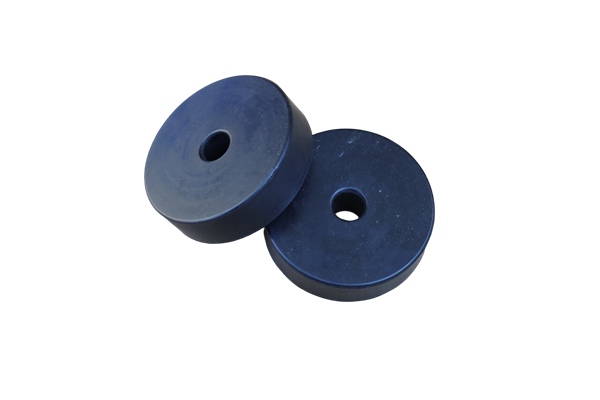
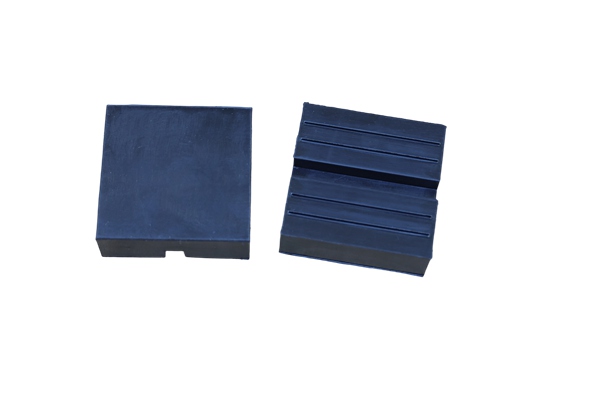
Unlike standard parts, custom dampers typically require unique mold designs. Once a mold is created, production becomes scalable—but the initial setup cost must be amortized over a certain volume.
This is why MOQ is often directly tied to mold cost recovery. Lower MOQ usually means higher unit price.
Material Procurement Constraints
Rubber materials such as NR, EPDM, or NBR are purchased in bulk. Suppliers must meet upstream material minimums before production can even begin.
This upstream constraint is one of the hidden drivers of MOQ that many buyers overlook.
Production Efficiency and Line Setup
Even if the order is small, the factory must allocate machines, labor, and time. Production lines do not scale down linearly—setup effort remains nearly constant .
For manufacturers, running small batches disrupts efficiency and reduces profitability.
MOQ vs. Unit Price Trade-off
There is a direct relationship between MOQ and pricing.
Lower MOQ → higher cost per unit
Higher MOQ → lower cost per unit
This trade-off is essential when planning procurement strategy for Custom Jack Rubber Damper.
Can MOQ Be Negotiated?
MOQ is not always fixed. Experienced buyers can negotiate by:
Accepting standard materials instead of custom compounds
Sharing molds across multiple designs
Increasing unit price for smaller orders
Suppliers may also combine orders with other clients to meet batch requirements.
Strategic Approach for First-Time Buyers
For new projects, it is often recommended to start with a pilot batch. Even if the unit cost is higher, it reduces risk and validates product performance before scaling.
Long-Term Supplier Relationship Impact
Manufacturers are more flexible with repeat customers. Once trust and volume are established, MOQ can often be adjusted or optimized.
Conclusion: Custom Jack Rubber Damper MOQ Matters
Understanding MOQ is critical when sourcing Custom Jack Rubber Damper. It reflects real manufacturing constraints—not arbitrary rules. Buyers who align their expectations with production realities can achieve better pricing, quality, and long-term partnerships.
References
Rubber Processing and Compounding Technology
Polymer Engineering and Science
Journal of Elastomers & Plastics
Manufacturing Economics and Cost Analysis