



Load bearing principles of rubber support blocks explained
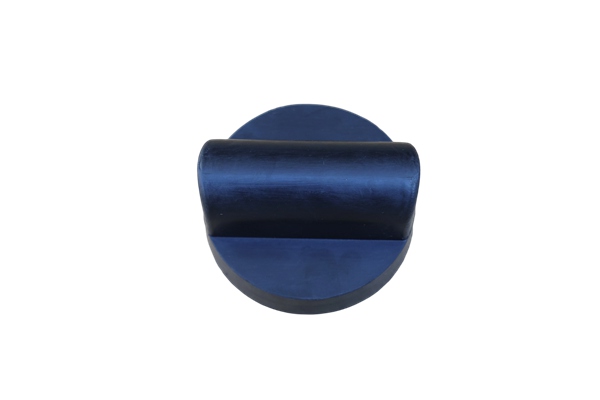
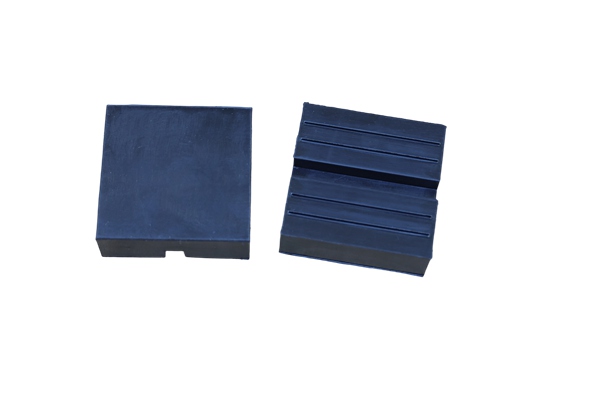
Load bearing principles of rubber support blocks explained focus on how Car Jack Rubber Support Block products manage stress and ensure safe lifting performance.
Basic load bearing concept
When lifting a vehicle, the applied force is concentrated at a small contact point.
A Car Jack Rubber Support Block redistributes this load across a wider area to reduce stress.
Stress distribution mechanism
Rubber materials deform slightly under pressure, allowing them to absorb and distribute force evenly.
This reduces localized stress and prevents damage to contact surfaces.
Compression and elasticity behavior
Rubber exhibits viscoelastic properties, meaning it can absorb energy while maintaining structural integrity.
This helps stabilize lifting operations.
Friction and contact mechanics
The friction between rubber and metal surfaces prevents slipping.
Higher friction improves safety during lifting operations.
Shock absorption capability
Rubber support blocks absorb dynamic loads and vibrations.
This is particularly important when lifting heavy vehicles or equipment.
Structural design considerations
Design factors include:
Thickness
Surface pattern
Internal density
These parameters influence load-bearing performance.
Failure risks and prevention
Improper material or excessive load can lead to deformation or failure.
Selecting the correct Car Jack Rubber Support Block ensures safe operation.
Practical application insights
Correct positioning is essential for effective load distribution.
Improper placement may lead to instability or equipment damage.
Conclusion
Load bearing principles of rubber support blocks explained show that Car Jack Rubber Support Block products are essential for safe, stable, and efficient lifting operations.
References
Rubber mechanics and deformation studies
Contact mechanics and friction theory
Automotive lifting safety research