



When it comes to lifting vehicles safely, the details often make the difference between a secure operation and costly damage. One component that is frequently overlooked is the Rubber Jack Base Support. While it may seem like a simple accessory, this piece plays a critical role in ensuring stability, preventing surface damage, and extending the lifespan of your jack. In this article, we explore why investing in high-quality rubber jack base pads is essential for any garage, workshop, or automotive enthusiast.
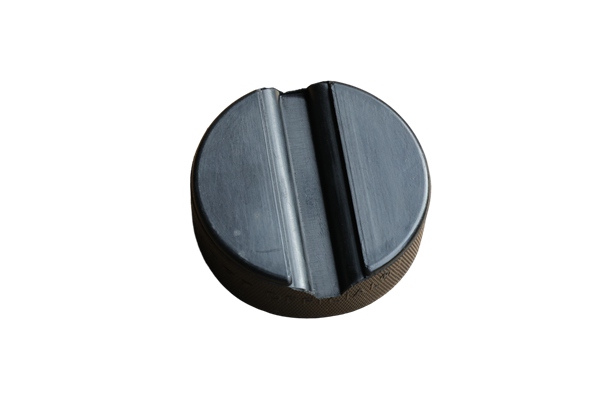
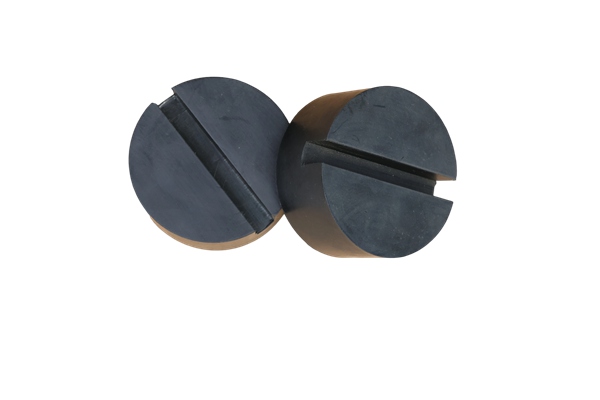
The Role of Rubber Jack Base Support in Vehicle Safety
A Rubber Jack Base Support serves as the intermediary between the jack and the vehicle or floor surface. Without it, the concentrated pressure from a jack can cause scratches, dents, or even structural damage to both vehicles and garage floors. By evenly distributing the load, these rubber pads reduce the risk of accidents and help maintain the integrity of your equipment. Professional mechanics often consider base pads an indispensable tool for both routine maintenance and heavy-duty lifting tasks.
Material Matters: Why Quality Rubber Makes a Difference
Not all jack pads are created equal. High-quality rubber is engineered to withstand extreme pressures while maintaining flexibility. Inferior materials may crack, deform, or lose grip over time, compromising both safety and performance. Top-grade Rubber Jack Base Supports are designed to endure repeated use, resist environmental factors such as oil or hydraulic fluids, and maintain their shape under heavy loads. Choosing the right material is essential for consistent, reliable lifting operations.
Stability and Load Distribution
One of the most critical functions of a Rubber Jack Base Support is enhancing stability during vehicle lifting. The rubber’s inherent elasticity allows it to conform slightly to uneven surfaces, minimizing wobble and preventing the jack from shifting under weight. This ensures that the load is evenly distributed, reducing stress on the vehicle’s frame and the jack itself. In professional workshops, this stability is not just a convenience—it is a safety requirement that protects both personnel and equipment.
Protecting Surfaces and Equipment
Garage floors, driveways, and vehicle undercarriages can all suffer damage from direct metal-to-metal contact with a jack. A Rubber Jack Base Support acts as a protective barrier, absorbing impact and preventing scratches or dents. For automotive enthusiasts and repair professionals, preserving the condition of vehicles and workspaces is paramount. These pads also reduce the risk of slipping, thanks to their high-friction surfaces, which further enhances operational safety.
Longevity and Cost Efficiency
Investing in high-quality rubber pads pays off in the long term. By reducing stress on jacks and protecting surfaces, Rubber Jack Base Supports extend the lifespan of your equipment. Less wear and tear means fewer replacements and repairs, translating to cost savings over time. Additionally, these pads are easy to clean and maintain, making them a practical choice for both home garages and commercial workshops.
Versatility Across Applications
From compact sedans to heavy-duty trucks, Rubber Jack Base Supports are versatile tools suitable for a wide range of vehicles. Their adaptability makes them an essential component for automotive shops, tire service centers, and even DIY enthusiasts. Whether lifting a car for a routine oil change or supporting a truck during a brake service, these pads provide consistent performance, ensuring both safety and convenience.
Conclusion: Prioritize Safety with Rubber Jack Base Support
While often underestimated, a high-quality Rubber Jack Base Support is a crucial investment for anyone involved in vehicle maintenance or lifting operations. By providing stability, protecting surfaces, and extending equipment lifespan, these pads deliver both safety and value. For garages, workshops, and automotive enthusiasts alike, incorporating reliable rubber base supports into daily operations is a professional standard that cannot be ignored.
References
GB/T 7714:Analysis of Vehicle Stability When Using Two‑Post Above‑Ground Automotive Lifts: Support Pad Slippage. Safety
MLA:The Frictional Vibration Attenuation of Rubber Utilizing a Grooved Block Against an Aluminum Disc. PMC
APA:Rubber Friction: Theory, Mechanisms, and Challenges. Journal of Chemical Physics