



Jack Rubber Pad Safety Starts at the Contact Point
When lifting a vehicle, the smallest contact detail can determine overall safety. The debate between using a jack rubber pad versus direct metal-to-metal contact continues across workshops, fleets, and industrial environments. While metal jacks are strong by design, strength alone does not guarantee safety.
A jack rubber pad, produced through controlled manufacturing processes and widely supplied in bulk, is specifically designed to improve lifting stability and protect vehicle structures. Understanding the safety differences between rubber pads and bare metal contact is essential for professionals who prioritize reliability and long-term performance.
Understanding the Two Contact Methods
What Is Metal-to-Metal Contact?
Metal contact occurs when a jack head directly touches the vehicle’s lifting point without any protective interface. This approach is still common due to convenience and habit, especially in basic lifting operations.
However, metal contact offers:
Limited friction
Concentrated load pressure
No surface protection
What Is a Jack Rubber Pad?
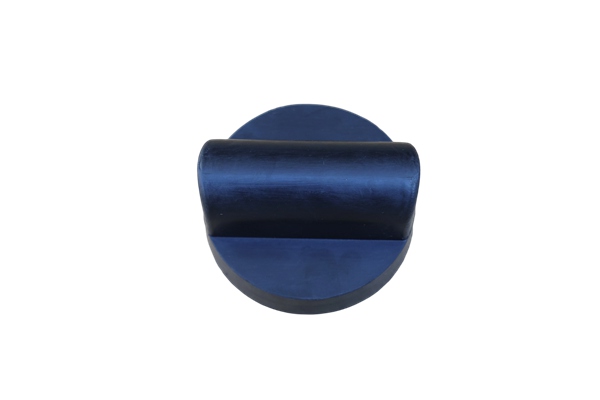
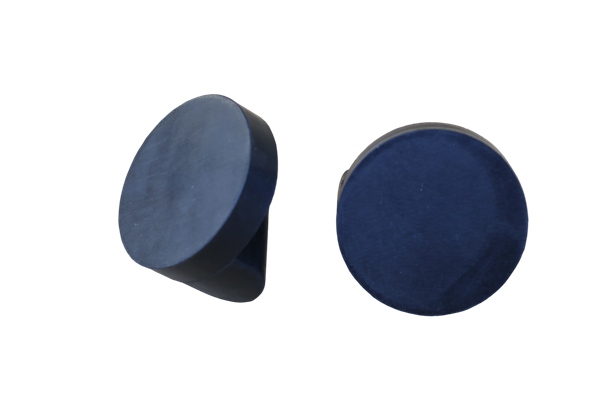
A jack rubber pad is a molded rubber interface placed between the jack and the vehicle. Manufactured using high-density rubber compounds, these pads are designed to:
Increase grip
Absorb shock
Distribute load evenly
They are commonly produced in large-scale production lines for consistent quality and bulk supply to workshops and distributors.
Safety Comparison: Jack Rubber Pad vs Metal Contact
1. Stability During Lifting
Stability is the most critical safety factor.
Metal contact: Smooth surfaces increase the risk of slipping, especially under heavy load or angled lifting.
Jack rubber pad: Rubber friction significantly reduces movement and lateral shifting.
From a safety standpoint, rubber pads provide a more predictable and controlled lifting process.
2. Load Distribution and Pressure Control
Metal jack heads often concentrate force on a small area.
This can deform pinch welds
Stress chassis lifting points
Cause long-term structural fatigue
A jack rubber pad, designed by professional manufacturers, spreads the load across a wider surface, reducing localized pressure and improving overall safety.
3. Protection of Vehicle Components
Modern vehicles use:
Thinner steel
Coated or painted lifting points
Aluminum or composite components
Metal contact can scrape protective layers and expose surfaces to corrosion. A jack rubber pad acts as a barrier, preserving coatings and extending vehicle lifespan—especially important for commercial fleets.
4. Slip Resistance Under Real Conditions
Workshop environments are rarely ideal. Oil, dust, moisture, and uneven ground all increase risk.
Metal contact loses grip easily in contaminated conditions
Rubber pads maintain friction even on imperfect surfaces
This is one reason why jack rubber pad production has become standardized for professional lifting applications.
5. Operator Safety and Risk Reduction
Unexpected jack movement is a major cause of lifting-related injuries.
Using a jack rubber pad reduces:
Sudden shifts
Vehicle drop risk
Operator reaction stress
For safety-conscious operations, rubber pads are no longer optional accessories but essential safety components.
Durability and Long-Term Performance
Impact on Jack Equipment
Repeated metal contact causes:
Deformation of jack heads
Surface wear
Reduced service life
Rubber pads absorb shock and protect equipment, lowering long-term maintenance costs—one reason they are favored by large-scale buyers sourcing from bulk production manufacturers.
Impact on Vehicles Over Time
Metal contact damage is often gradual and unnoticed:
Small bends become structural issues
Coating damage leads to corrosion
Lifting points weaken with repeated use
A jack rubber pad prevents cumulative damage, especially in high-frequency lifting environments.
Compatibility with Modern Vehicle Designs
Vehicle manufacturers increasingly design:
Low-profile lift points
Narrow jack contact areas
Sensitive structural zones
Rubber pads are manufactured in multiple shapes and sizes to match these designs. Professional manufacturers offer customizable production options to meet different vehicle requirements.
Cost vs Safety: A Practical Perspective
Some users avoid rubber pads to save cost, but this approach often leads to:
Vehicle repair expenses
Equipment replacement
Increased accident risk
From a production and supply standpoint, jack rubber pads are low-cost components with high safety returns—making them ideal for bulk procurement.
Which Is Safer? The Clear Conclusion
When comparing jack rubber pad vs metal contact, the safety advantage is clear:
| Factor | Metal Contact | Jack Rubber Pad |
|---|---|---|
| Slip Resistance | Low | High |
| Load Distribution | Poor | Even |
| Vehicle Protection | None | Strong |
| Operator Safety | Risky | Improved |
| Long-Term Cost | Higher | Lower |
Conclusion: Jack Rubber Pad Is the Safer Standard
The evidence is clear—jack rubber pad systems provide superior safety, stability, and protection compared to bare metal contact. For workshops, fleets, and industrial users, choosing rubber pads produced by reliable manufacturers with stable production and bulk supply capabilities is a smart, forward-looking decision.
As lifting standards continue to evolve, the jack rubber pad has become a fundamental component of safe vehicle maintenance—not just an accessory, but a safety requirement.
References
GB/T 7714:Chang W R, Matz S. The slip resistance of common footwear materials measured with two slipmeters[J]. Applied ergonomics, 2001, 32(6): 549-558.
MLA:Chang, Wen-Ruey, and Simon Matz. "The slip resistance of common footwear materials measured with two slipmeters." Applied ergonomics 32.6 (2001): 549-558.
APA:Chang, W. R., & Matz, S. (2001). The slip resistance of common footwear materials measured with two slipmeters. Applied ergonomics, 32(6), 549-558.