



Why Jack Rubber Pad Selection Matters
Vehicle lifting is a routine task in workshops, garages, and roadside maintenance. However, using the wrong lifting interface can result in damaged lift points, unstable support, or safety hazards. A Jack Rubber Pad plays a critical role in protecting the vehicle underbody and ensuring secure lifting.
Because vehicles vary widely in weight, structure, and lift point design, selecting the correct jack rubber pad is essential for safe and efficient lifting across different vehicle types.
Understanding Vehicle Lift Points
Every vehicle is designed with specific lift points engineered to handle vertical loads. These points differ in shape, reinforcement, and accessibility.
Passenger cars often use pinch welds, while SUVs and trucks may have reinforced frame rails. A jack rubber pad must align with these lift points to prevent misplacement and uneven loading.
Matching Jack Rubber Pads to Vehicle Weight
Vehicle weight is a primary factor when choosing a Jack Rubber Pad. Compact cars place less stress on lifting accessories, while heavier vehicles require pads with higher load capacity and greater structural stability.
Selecting a pad rated for the appropriate weight ensures that the rubber does not compress excessively, maintaining stable contact throughout the lift.
Material Considerations: Rubber Performance Under Load
Not all rubber materials behave the same under pressure. High-quality rubber pads are designed to balance elasticity and strength.
Key material properties to consider include:
Compression resistance
Elastic recovery after loading
Resistance to cracking and wear
Proper material selection ensures consistent performance over repeated lifting cycles.
Shape and Surface Design Compatibility
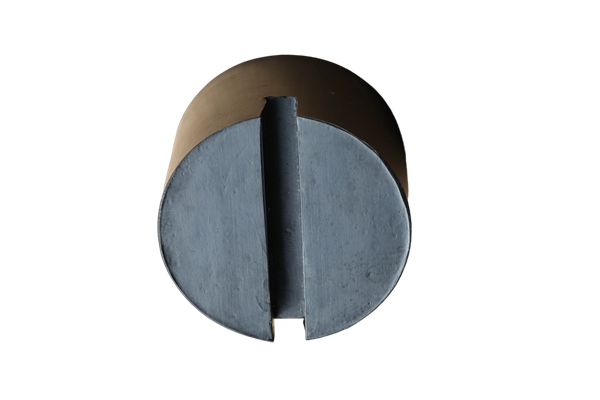
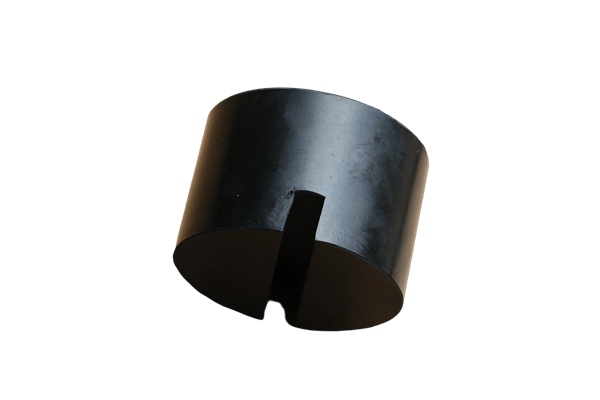
Jack rubber pads come in various shapes, including flat, slotted, and grooved designs. Each shape serves a specific purpose depending on vehicle lift point geometry.
Slotted pads are ideal for pinch welds, while flat pads work well with reinforced frame areas. Textured surfaces enhance grip and reduce slippage during lifting.
Selecting Pads for Passenger Vehicles
Passenger vehicles typically have lower ground clearance and lighter structures. Jack rubber pads used for these vehicles should provide precise alignment and cushioning without excessive thickness.
A compact pad with defined grooves helps protect paint and coatings while maintaining stable support.
Selecting Pads for SUVs and Light Trucks
SUVs and light trucks often feature higher ground clearance and heavier curb weight. For these vehicles, a Jack Rubber Pad with higher load capacity and reinforced structure is recommended.
Thicker pads help distribute load more evenly across the contact surface, reducing stress on frame components.
Considerations for Commercial and Utility Vehicles
Commercial vehicles experience higher loads and more frequent lifting. Pads used in these applications should prioritize durability, dimensional stability, and resistance to deformation.
Consistent performance is especially important in workshop environments where equipment is used daily.
Environmental and Usage Factors
Workshop conditions can affect rubber performance. Exposure to oil, dirt, and temperature changes may influence friction and elasticity.
Choosing a pad designed to maintain performance in varied environments helps ensure reliable lifting regardless of working conditions.
Ensuring Proper Fit With Jack Equipment
Compatibility between the jack saddle and the rubber pad is just as important as vehicle compatibility. Pads should fit securely on the jack to prevent shifting during lifting.
A well-fitted pad improves stability and reduces the risk of sudden movement.
Manufacturing Quality and Consistency
From a manufacturer standpoint, controlled production processes ensure consistent hardness, shape, and load performance. This consistency is essential when jack rubber pads are supplied in bulk supply quantities for workshops or distributors.
Uniform quality ensures predictable performance across different vehicles and applications.
Maintenance and Replacement Guidelines
Even the right pad requires periodic inspection. Signs of wear such as cracking, surface glazing, or permanent deformation indicate it is time for replacement.
Routine checks help maintain lifting safety and prolong equipment lifespan.
Conclusion: Choosing the Right Jack Rubber Pad With Confidence
Selecting the right Jack Rubber Pad is essential for safe and damage-free vehicle lifting. By considering vehicle weight, lift point design, material properties, and environmental conditions, users can choose pads that provide reliable support across different vehicle types.
A well-matched jack rubber pad improves lifting stability, protects vehicle structures, and enhances overall workshop safety.
Why Jack Rubber Pad Selection Matters
Vehicle lifting is a routine task in workshops, garages, and roadside maintenance. However, using the wrong lifting interface can result in damaged lift points, unstable support, or safety hazards. A Jack Rubber Pad plays a critical role in protecting the vehicle underbody and ensuring secure lifting.
Because vehicles vary widely in weight, structure, and lift point design, selecting the correct jack rubber pad is essential for safe and efficient lifting across different vehicle types.
Understanding Vehicle Lift Points
Every vehicle is designed with specific lift points engineered to handle vertical loads. These points differ in shape, reinforcement, and accessibility.
Passenger cars often use pinch welds, while SUVs and trucks may have reinforced frame rails. A jack rubber pad must align with these lift points to prevent misplacement and uneven loading.
Matching Jack Rubber Pads to Vehicle Weight
Vehicle weight is a primary factor when choosing a Jack Rubber Pad. Compact cars place less stress on lifting accessories, while heavier vehicles require pads with higher load capacity and greater structural stability.
Selecting a pad rated for the appropriate weight ensures that the rubber does not compress excessively, maintaining stable contact throughout the lift.
Material Considerations: Rubber Performance Under Load
Not all rubber materials behave the same under pressure. High-quality rubber pads are designed to balance elasticity and strength.
Key material properties to consider include:
Compression resistance
Elastic recovery after loading
Resistance to cracking and wear
Proper material selection ensures consistent performance over repeated lifting cycles.
Shape and Surface Design Compatibility
Jack rubber pads come in various shapes, including flat, slotted, and grooved designs. Each shape serves a specific purpose depending on vehicle lift point geometry.
Slotted pads are ideal for pinch welds, while flat pads work well with reinforced frame areas. Textured surfaces enhance grip and reduce slippage during lifting.
Selecting Pads for Passenger Vehicles
Passenger vehicles typically have lower ground clearance and lighter structures. Jack rubber pads used for these vehicles should provide precise alignment and cushioning without excessive thickness.
A compact pad with defined grooves helps protect paint and coatings while maintaining stable support.
Selecting Pads for SUVs and Light Trucks
SUVs and light trucks often feature higher ground clearance and heavier curb weight. For these vehicles, a Jack Rubber Pad with higher load capacity and reinforced structure is recommended.
Thicker pads help distribute load more evenly across the contact surface, reducing stress on frame components.
Considerations for Commercial and Utility Vehicles
Commercial vehicles experience higher loads and more frequent lifting. Pads used in these applications should prioritize durability, dimensional stability, and resistance to deformation.
Consistent performance is especially important in workshop environments where equipment is used daily.
Environmental and Usage Factors
Workshop conditions can affect rubber performance. Exposure to oil, dirt, and temperature changes may influence friction and elasticity.
Choosing a pad designed to maintain performance in varied environments helps ensure reliable lifting regardless of working conditions.
Ensuring Proper Fit With Jack Equipment
Compatibility between the jack saddle and the rubber pad is just as important as vehicle compatibility. Pads should fit securely on the jack to prevent shifting during lifting.
A well-fitted pad improves stability and reduces the risk of sudden movement.
Manufacturing Quality and Consistency
From a manufacturer standpoint, controlled production processes ensure consistent hardness, shape, and load performance. This consistency is essential when jack rubber pads are supplied in bulk supply quantities for workshops or distributors.
Uniform quality ensures predictable performance across different vehicles and applications.
Maintenance and Replacement Guidelines
Even the right pad requires periodic inspection. Signs of wear such as cracking, surface glazing, or permanent deformation indicate it is time for replacement.
Routine checks help maintain lifting safety and prolong equipment lifespan.
Conclusion: Choosing the Right Jack Rubber Pad With Confidence
Selecting the right Jack Rubber Pad is essential for safe and damage-free vehicle lifting. By considering vehicle weight, lift point design, material properties, and environmental conditions, users can choose pads that provide reliable support across different vehicle types.
A well-matched jack rubber pad improves lifting stability, protects vehicle structures, and enhances overall workshop safety.
References
GB/T 7714:Reimpell J, Stoll H, Betzler J. The automotive chassis: engineering principles[M]. Elsevier, 2001.
MLA:Reimpell, Jornsen, Helmut Stoll, and Jurgen Betzler. The automotive chassis: engineering principles. Elsevier, 2001.
APA:Reimpell, J., Stoll, H., & Betzler, J. (2001). The automotive chassis: engineering principles. Elsevier.